Open Today Sales: 8:30 AM-7 PMOpen Today Service: 7 AM-6 PMOpen Today Collision Center: 7:30 AM-5:30 PM
There are endless reasons to choose a Toyota 4Runner: Gas mileage just happens to be a big one. In addition to this body-on-frame SUV's flexible five- or seven-seat cabin, 6,000-pound towing capacity,1 and dauntless off-road capability, you'll also get up to an EPA-estimated 26 MPG on highways.2
Today, the Haley Toyota of Roanoke team is digging into how this sport-ute's MPG ratings vary by trim level and powertrain, as well as why its fuel efficiency is impressive given its overall rugged design. We're also comparing Toyota 4Runner gas mileage by year, starting with its 1984 debut and following it to the present day.
One fact that has remained constant throughout the past four decades is that the Toyota 4Runner fuel economy supports your appetite for adventure while keeping fuel costs within an affordable range. Curious to learn more about this SUV's performance? Visit Haley Toyota of Roanoke for an in-person tour and test drive.
Your specific MPG will vary depending on which 2026 Toyota 4Runner for sale you take home. This year's lineup includes six pure-gasoline and six hybrid configurations, and drivetrains range from RWD to both part-time and full-time 4WD. Because drivetrains affect the 2026 Toyota 4Runner gas mileage, we created the charts below to clearly illustrate all your options.
Non-hybrid 4Runner SUVs have more accessible starting prices, while hybrid variants will give you the best possible MPG scores. As of 2026, there is no Toyota 4Runner plug-in hybrid gas mileage to discuss, but you never know what the future holds!
| 2026 Toyota 4Runner Gas Mileage | ||
| Trim Level | Powertrain | MPG2 |
| SR5 | i-FORCE 2.4L turbo 4-cyl RWD | 20 / 26 / 22 |
| i-FORCE 2.4L turbo 4-cyl 4WD | 19 / 25 / 21 | |
| TRD Sport | i-FORCE 2.4L turbo 4-cyl RWD | 20 / 26 / 22 |
| i-FORCE 2.4L turbo 4-cyl 4WD | 19 / 25 / 21 | |
| TRD Off-Road | i-FORCE 2.4L turbo 4-cyl 4WD | 19 / 25 / 21 |
| TRD Sport Premium | i-FORCE 2.4L turbo 4-cyl RWD | 20 / 26 / 22 |
| i-FORCE 2.4L turbo 4-cyl 4WD | 19 / 25 / 21 | |
| TRD Off-Road Premium | i-FORCE 2.4L turbo 4-cyl 4WD | 19 / 25 / 21 |
| Limited | i-FORCE 2.4L turbo 4-cyl RWD | 20 / 24 / 22 |
| i-FORCE 2.4L turbo 4-cyl 4WD | 20 / 24 / 21 | |
| 2026 Toyota 4Runner Hybrid Gas Mileage | ||
| Trim Level | Powertrain | MPG2 |
| TRD Off-Road i-FORCE MAX | i-FORCE MAX 2.4L turbo 4-cyl 4WD | 23 / 24 / 23 |
| TRD Off-Road Premium i-FORCE MAX | ||
| Limited i-FORCE MAX | ||
| Platinum i-FORCE MAX | ||
| Trailhunter i-FORCE MAX | ||
| TRD Pro i-FORCE MAX | ||
| Maximum Toyota 4Runner MPG (City / Highway / Combined)2 | ||||
| 1984 - 1995 | ||||
| 4Runner Model Year | 2.4L 4-cyl 4WD MPG | 2.4L 4-cyl RWD MPG | 3.0L 6-cyl 4WD MPG | 3.0L 6-cyl RWD MPG |
| 1984 | 16 / 19 / 17 | |||
| 1985 | 19 / 23 / 21 | |||
| 1986 | 18 / 22 / 19 | |||
| 1987 | 18 / 22 / 19 | |||
| 1988 | 17 / 20 / 19 | 15 / 17 / 16 | ||
| 1989 | 17 / 20 / 18 | 15 / 18 / 16 | ||
| 1990 | 17 / 20 / 18 | 17 / 19 / 18 | 14 / 18 / 15 | 15 / 19 / 16 |
| 1991 | 17 / 20 / 18 | 17 / 19 / 18 | 14 / 17 / 15 | 15 / 19 / 17 |
| 1992 | 17 / 20 / 18 | 13 / 17 / 14 | 15 / 19 / 17 | |
| 1993 | 17 / 20 / 18 | 13 / 17 / 14 | 15 / 19 / 17 | |
| 1994 | 17 / 20 / 18 | 13 / 17 / 14 | 15 / 19 / 17 | |
| 1995 | 17 / 20 / 18 | 13 / 16 / 14 | 15 / 19 / 17 | |
| 1996 - 2002 | ||||
| 4Runner Model Year | 2.7L 4-cyl 4WD MPG | 2.7L 4-cyl RWD MPG | 3.4L 6-cyl 4WD MPG | 3.4L 6-cyl RWD MPG |
| 1996 | 17 / 20 / 18 | 18 / 23 / 20 | 15 / 18 / 16 | 16 / 20 / 17 |
| 1997 | 16 / 20 / 18 | 18 / 22 / 19 | 15 / 18 / 16 | 15 / 19 / 17 |
| 1998 | 17 / 20 / 18 | 18 / 22 / 19 | 15 / 18 / 16 | 16 / 19 / 17 |
| 1999 | 16 / 19 / 17 | 18 / 22 / 19 | 15 / 18 / 16 | 16 / 19 / 17 |
| 2000 | 17 / 20 / 18 | 17 / 22 / 19 | 15 / 18 / 16 | 16 / 19 / 17 |
| 2001 | 15 / 18 / 16 | 16 / 19 / 17 | ||
| 2002 | 15 / 18 / 16 | 15 / 18 / 16 | ||
| 2003 - 2009 | ||||
| 4Runner Model Year | 4.0L 6-cyl 4WD MPG | 4.0L 6-cyl RWD MPG | 4.7L 8-cyl 4WD MPG | 4.7L 8-cyl RWD MPG |
| 2003 | 15 / 19 / 17 | 16 / 20 / 18 | 14 / 17 / 15 | 15 / 18 / 16 |
| 2004 | 15 / 19 / 17 | 16 / 20 / 18 | 14 / 17 / 15 | 15 / 18 / 16 |
| 2005 | 15 / 19 / 17 | 16 / 20 / 18 | 14 / 18 / 16 | 15 / 18 / 16 |
| 2006 | 15 / 19 / 17 | 16 / 20 / 18 | 14 / 18 / 16 | 15 / 18 / 16 |
| 2007 | 16 / 20 / 17 | 16 / 21 / 18 | 14 / 18 / 16 | 15 / 19 / 17 |
| 2008 | 16 / 20 / 17 | 16 / 21 / 18 | 14 / 17 / 15 | 15 / 19 / 17 |
| 2009 | 16 / 20 / 17 | 16 / 21 / 18 | 14 / 17 / 15 | 15 / 19 / 17 |
| 2010 - 2024 | ||||
| 4Runner Model Year | 2.7L 4-cyl RWD MPG | 4.0L 6-cyl 4WD MPG | 4.0L 6-cyl RWD MPG | |
| 2010 | 18 / 23 / 20 | 17 / 22 / 19 | 17 / 23 / 19 | |
| 2011 | 18 / 21 / 19 | 17 / 22 / 19 | 17 / 23 / 19 | |
| 2012 | 17 / 22 / 19 | 17 / 23 / 19 | ||
| 2013 | 17 / 21 / 18 | 17 / 22 / 19 | ||
| 2014 | 17 / 21 / 18 | 17 / 22 / 19 | ||
| 2015 | 17 / 21 / 18 | 17 / 22 / 19 | ||
| 2016 | 17 / 21 / 18 | 17 / 22 / 19 | ||
| 2017 | 17 / 20 / 18 | 17 / 21 / 18 | ||
| 2018 | 17 / 20 / 18 | 17 / 21 / 18 | ||
| 2019 | 17 / 20 / 18 | 17 / 21 / 18 | ||
| 2020 | 16 / 19 / 17 | 16 / 19 / 17 | ||
| 2021 | 16 / 19 / 17 | 16 / 19 / 17 | ||
| 2022 | 16 / 19 / 17 | 16 / 19 / 17 | ||
| 2023 | 16 / 19 / 17 | 16 / 19 / 17 | ||
| 2024 | 16 / 19 / 17 | 16 / 19 / 17 | ||
| 2025 - 2026 | ||||
| 4Runner Model Year | 2.4L 4-cyl 4WD MPG | 2.4L 4-cyl RWD MPG | ||
| 2025 | 23 / 24 / 23 (Hybrid) / 20 / 24 / 21 (Gas) | 20 / 26 / 22 | ||
| 2026 | 23 / 24 / 23 (Hybrid) / 20 / 24 / 21 (Gas) | 20 / 26 / 22 | ||

Many factors can affect your Toyota 4Runner gas mileage, including your personal driving habits, the current road conditions, and the SUV's aerodynamics. If you're like many of us, you want the rugged benefits of a 4Runner while also maximizing your fuel efficiency. Follow these steps, and you'll be well on your way.
Keeping bike or roof racks on your SUV when they're not in use can eat away at fuel economy, as can heavy boxes or bags in the trunk. According to the U.S. Department of Energy, removing 100 extra pounds from your car could increase its MPG by 1%.3 That number might seem small, but over time, it can add up to real savings.
If you need to pick up groceries, plan to run other important errands in the same vicinity during the same trip. Combining multiple tasks and stops that are geographically near one another can save you both time and money.
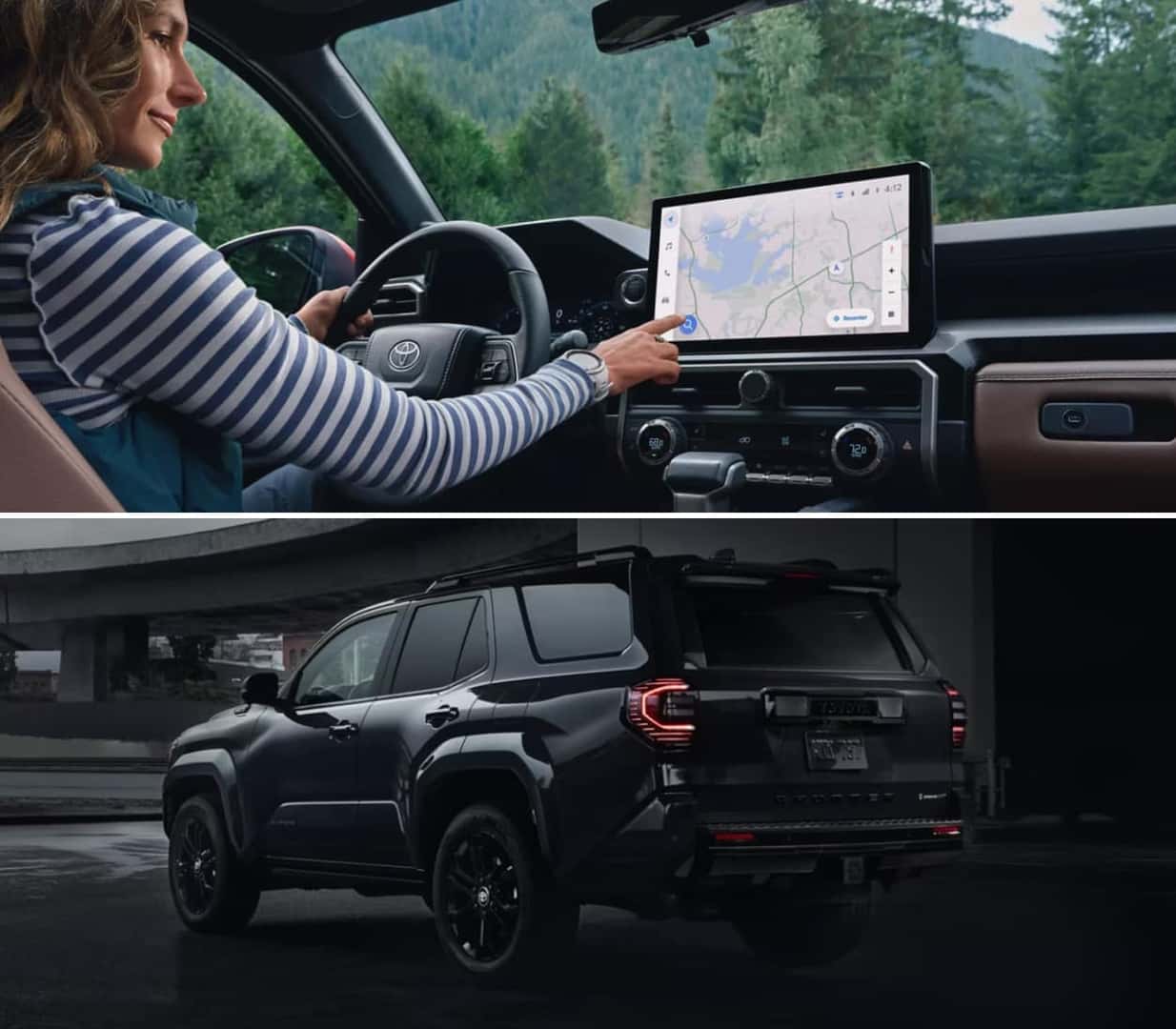
Local schools flood the streets with buses between 7 a.m. and 8 a.m., as well as between 3 p.m. and 4 p.m., every day, and rush hours follow suit. If you can avoid travel during those busy times, you can save yourself gas by not idling as often in standstills or braking repeatedly in stop-and-go traffic.
Unless in emergency circumstances, try to drive the recommended speed limit, even on interstates, to preserve your Toyota 4Runner MPG. Maintaining a consistent speed by using cruise control on long stretches of roadway can also help your fuel economy.
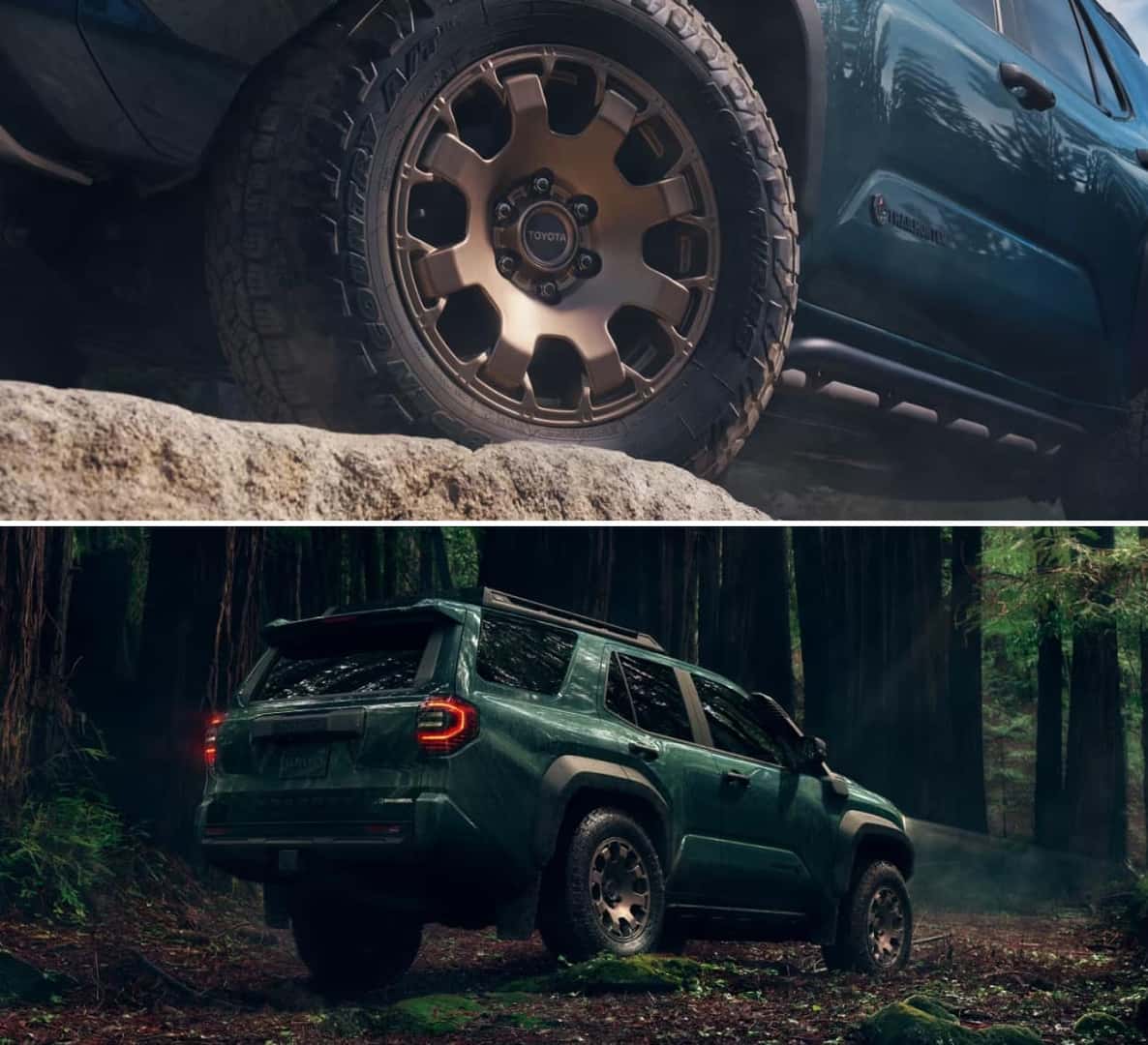
Properly inflated tires play a bigger role in MPG than you might realize. The U.S. Department of Energy estimates that correct tire PSI can improve gas mileage by an average of 0.6%.4
Oil changes, air filter changes, wheel alignments, and other recommended maintenance services can affect your Toyota 4Runner gas mileage. Engines may use more fuel when air filters are clogged, while low oil and misaligned wheels can lessen your Toyota 4Runner fuel efficiency over time. Following service schedules is a great way to ensure you're getting the most MPG out of your vehicle while also keeping your engine in good health.
Toyota 4Runner gas mileage isn't breaking any records, but it is still pretty impressive when you consider the all-terrain attitude this SUV brings to every drive. We mentioned before that Toyota 4Runner towing capacity is a stunning 6,000 pounds when properly equipped, but this sport-ute is also a shining example of how body-on-frame SUVs provide superior structural durability.
Wondering about other legendary SUVs at our dealership? Check out our Land Cruiser inventory. You can even compare the two models in our Toyota 4Runner vs. Land Cruiser review.
Are you feeling called to finance or lease a Toyota 4Runner? Our dealership is here to help. Visit us today to get started!
The 2026 Toyota 4Runner relies on regular unleaded fuel in both its hybrid and non-hybrid configurations. Most older 4Runner models also use regular unleaded gas, though some V-8 trim levels built between 2003 and 2009 may need premium unleaded fuel for peak performance; however, this is recommended, not required.
This year's 4Runner gas tank size is 19 gallons across all trims and hybrid variants. Historically, however, the 4Runner gas tank size has ranged from around 14 gallons in the 1980s to as large as 23 gallons in more recent years at the time of this writing.
The most efficient Toyota 4Runner SUVs to date are the 2025 and 2026 models equipped with a hybrid 2.4-liter four-cylinder engine and 4WD. These vehicles earn an EPA-estimated 23 MPG (Combined).2 Normal gas iterations from these years are not far behind, offering 21 MPG (Combined).2
1Before towing, confirm your vehicle and trailer are compatible, hooked up and loaded properly and that you have any necessary additional equipment. Do not exceed any Weight Ratings and follow all instructions in your Owner’s Manual. The maximum you can tow depends on base curb weight plus the total weight of any cargo, occupants, and added vehicle equipment. “Added vehicle equipment” includes additional standard/optional equipment and accessories added by the manufacturer, dealers, and/or vehicle owners. The only way to be certain of your vehicle’s exact curb weight is to weigh your vehicle without passengers or cargo. (Calculated with the new SAE J2807 method.) Installation of a tow hitch receiver or other accessories located near the rear bumper or side-door kick sensors may require disabling or removing the kick sensor, and the sensor operation setting in your vehicle should be turned off. See Owner’s Manual for limitations.
2Use for comparison purposes only. Your mileage will vary for many reasons, including your vehicle’s condition and how/where you drive. See www.fueleconomy.gov.
3Reference to this third-party review/claim is solely for informational purposes and not to be relied upon. For more details, please visit https://www.energy.gov/energysaver/driving-more-efficiently
4Reference to this third-party review/claim is solely for informational purposes and not to be relied upon. For more details, please visit https://www.energy.gov/sites/default/files/2021-12/ES-ConsumerGuide-Fuel-Economy-Tips-508.pdf